The Unilever–McCormick Split: Where the Next Wave of Tech Spend Is Hiding
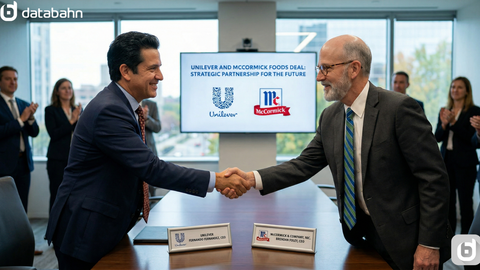
Unilever announced on March 31 that it's spinning off its Foods business, Knorr, Hellmann's, the rest, and folding it into McCormick. Cash and stock, about $44.8 billion for the food unit. The new company will run roughly $20 billion a year in sauces, spices, seasonings, condiments, and cooking aids.
If you sell technology into either company, don't skim past this one. A deal like this rewrites org charts, budgets, and tech priorities for years. The question worth asking isn't "how do I congratulate them": it's where the actual work is going to land, and how early you can be useful.
What the deal actually does
Unilever gets smaller and sharper: home and personal care, full stop. McCormick gets bigger: more brands, more scale, more shelf space. Both sides now have years of unglamorous integration work ahead: one side stitching two companies together, the other cutting a business unit loose cleanly.
That combination, a merger on one end, a carve-out on the other, tends to open budget for ERP work, supply chain systems, data integration, trade promotion tools, marketing tech, security, and collaboration platforms. Not because a press release said so, but because that's what happens whenever two large operations get pulled apart or stitched together at the same time.
Before you pitch anything, update how you think about these two companies. They're not the same accounts they were on March 30.
Where the money will actually move
A few things fall out of the announcement pretty directly:
Brand and SKU complexity goes up. Hellmann's, Knorr, Cholula, Frank's, Maille, McCormick's own lines: combine those portfolios and pricing, trade promotion, and product hierarchies get messier before they get cleaner. Master data and assortment tools matter here.
Supply chain gets harder before it gets simpler. A $20 billion combined footprint across regions and plants needs rationalizing: planning, sourcing, logistics, forecasting, all of it. This is where S&OP and supply chain visibility vendors have an opening.
Retail and food service both matter to the new company, and they're leaning on R&D and "flavor science" language in the announcement, which usually means demand sensing, customer analytics, and revenue growth management tools get budget.
And underneath all of it: two data estates need to become one (or, on Unilever's side, need to become properly separate). That's an opening for anyone selling data platforms or analytics.
Turning this into an actual sales plan, not a mail merge
Most reps read the headline, note the deal size, and move on to the next account. The ones who do better with it treat it like research, not trivia:
Re-segment the account. Write a short version of "what this means for you" for each buyer, supply chain, IT/data, commercial, separately. Update who you're actually trying to reach. And use the timeline: the deal's expected to close by mid-2027, subject to approval, which gives you an 18–24 month window where integration pressure is highest. That's a real deadline to build urgency around, not a made-up one.
Someone on your team, or you, needs to keep tracking this as it moves: leadership changes, integration milestones, investment signals. That's the difference between a one-time email and an account plan.
Ask better questions instead of pitching louder
The fastest way to get ignored here is "congrats on the deal, here's our deck." Every vendor with a pulse is sending some version of that this week.
What actually gets a reply is a question that shows you read the announcement and thought about what it means for their specific job, to a supply chain lead, a CIO, a category leader. Good questions do double duty: they prove you paid attention, and they surface what you actually need to know to qualify the deal.
Two separate accounts, not one
This is really two sales motions now, not one:
The combined McCormick-Unilever Foods business: flavor-focused, ~$20 billion, global footprint, strong in both retail and food service. Here the priorities are integration, supply chain, data, and category management.
The leftover Unilever: home and personal care only now, growth strategy built around that. Here the priorities shift toward e-commerce, DTC, digital engagement, and sustainability tracking.
Keep an org chart and a running list of initiatives for each side separately. Treat them as one account and your outreach will feel out of step within six months, as the separation actually plays out.
Make it a program, not a campaign
This isn't a one-week news story: it's a multi-year unwind-and-rebuild. Worth treating that way: a living account plan, updated as details land; a stakeholder map across integration, IT, supply chain, and commercial; and messaging tied to this specific deal, not generic CPG talking points.
Most sales teams don't have the bandwidth to track all of this themselves, which is honestly the whole reason I do this kind of research for a living, watching announcements, filings, and analyst notes, and turning them into something a rep can actually use on a call.
Next Steps
If Unilever or McCormick is anywhere in your patch, this is worth a real look, not a form email. Happy to talk through what a account-specific brief would look like for your team, connect with me on LinkedIn and use the Contact Form below to send us a request.
Sources:
https://www.databahn.com/products/mccormick-org-chart-and-sales-intelligence-report-1
https://www.databahn.com/products/unilever-org-chart-and-sales-intelligence-report-1