















The Intel That Wins the Room
Custom account intelligence reports that get you in the room and win when it counts.


Walmart Sales Intelligence Brief
A comprehensive sales intelligence package that includes mapping the buying committee, surfacing recent leadership changes, analyzing strategic and financial priorities, identifying concrete technology initiatives and vendor relationships, uncovering real-time buying signals, and translating this intelligence into a multi-threaded engagement strategy with named contacts, prioritized outreach timelines (30/60/90-day plays), and tailored messaging that anticipates objections.

The UnitedHealth Group Report will eliminate weeks of costly manual research, equip your account team with the precise intelligence needed to map relationships and identify champions across both the payer (UHC) and service/delivery (Optum) segments, and provide a ready-to-execute strategic account plan that aligns your solution directly with UHG's top strategic imperatives so you can penetrate this complex account with multi-threaded outreach, anticipate buyer hurdles, and dramatically shorten your sales cycle.

Starbucks Sales Intelligence Brief
Turn your Starbucks QBR prep from a chore into a strategic weapon. Identify the exact Starbucks decision-makers and their pain points. Align your pitch with funded Starbucks initiatives and budgets.Get access to persona-based messaging playbooks and discovery questions. 30/90/120/365-day enterprise deal plan.

Your Roadmap for Selling to NVIDIA includes NVIDIA org charts, business & technology imperatives, decision-maker contact info, executive profiles, buying signals and sales trigger events, and competitive battlecards.

ExxonMobil Sales Intelligence Report
Databahn’s ExxonMobil Org Chart and Sales Intelligence Report maps key stakeholders, priorities, and buying signals helping enterprise sales reps hyper-target, personalize outreach, and win more meetings.

The JPMorgan Chase Brief delivers a comprehensive sales intelligence dossier including detailed org charts, 1,000+ verified contacts, IT budget forecasts with 70 line items, technographic profile, earnings call and annual report insights, and a customized strategic sales playbook with competitor battlecards and tailored messaging templates.

CVS Health Sales Intelligence Report
The CVS Sales Intelligence Report provides visual org charts, verified C-suite and division head contacts, IT project insights, financial data, and strategic messaging guides to accelerate account targeting and tailor pitches to key decision-makers.

The Ford Sales Intelligence Report delivers visual org charts of the board and executive leadership, verified contacts, financial and technology insights, plus strategic value propositions and sales triggers to help you identify key decision-makers, tailor your pitch, and build a targeted account plan for Ford.

General Motors Sales Intelligence Report
The GM Sales Intelligence and Org Chart Report gives enterprise sales reps a clear view of the GM leadership hierarchy, business segments (North America, International, Cruise, GM Financial), functional divisions, and matrix structure. Eliminate sales research time and discover new sales opportunities you might not know about today.

The Marriott Sales Intelligence Brief reveals decision-makers, reporting lines, business priorities, technology signals, and targeted sales messaging to open new doors and to uncover pipeline opportunities faster.

48 Ready to Use AI Prompts and 11 Reusable Variables to Build Your Account Plan in Minutes

I pay for eight AI tools and most sales teams still only use theirs to rewrite an email. This post breaks down what each one in my stack is actually good for, from Perplexity's account research to Manus building full strategic decks, and which single tool I'd keep if I had to cancel the other seven tomorrow.
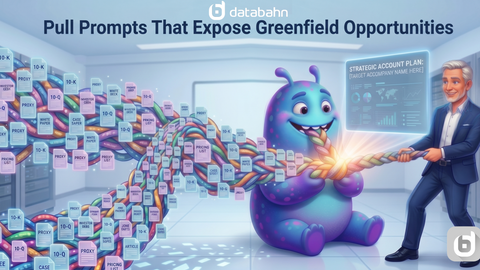
Most sales teams treat AI like a vending machine: type a company name, get a generic plan back. This post breaks the pattern. Two moves, overfeeding AI with the real documents instead of a few links, and pull-prompts that make it interrogate you before it answers, have already turned "just another logo" into multi-million-dollar wins.
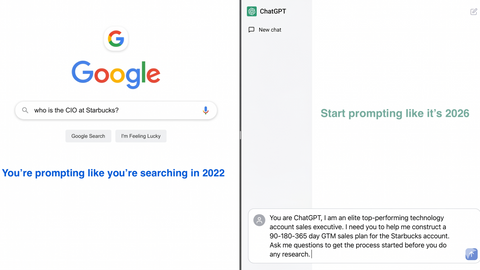
Most AEs still prompt AI like it's a search bar and get vague output back. This post breaks down four core prompting styles, Zero-Shot, Few-Shot, Chain-of-Thought, and ReAct, plus a bonus technique called pull prompting, that turn a cold greenfield Fortune 1000 logo into a real account plan with concrete plays.
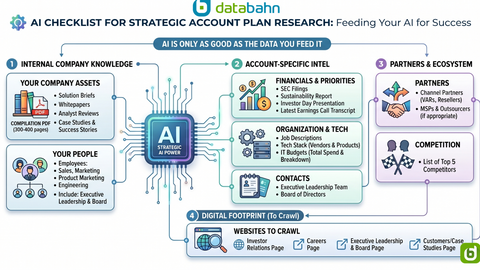
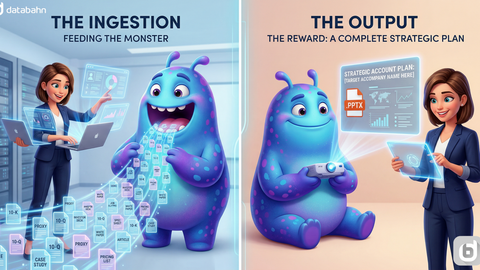
Most AEs ask AI for an account plan and get vague fluff back. The fix isn't a better prompt, it's better inputs. This post breaks down how to overfeed your AI with the right documents and links, then ask it for actual plays instead of insights, so you can turn a scattered account into a real plan in one afternoon.
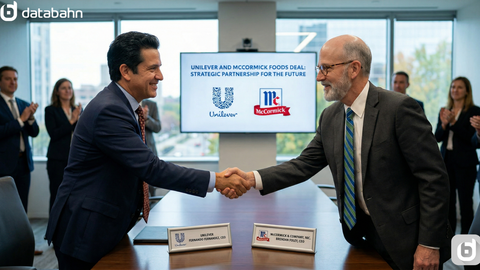
Unilever's split from McCormick isn't just M&A news, it's a trigger event for tech budgets. As one company merges and the other carves itself out, both will need new systems for supply chain, data, and integration. This piece breaks down where that spend is headed and how sellers can get ahead of it.
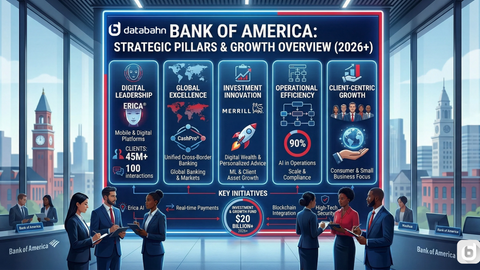
Stalled emails. No org map. Deals that crawl for months. If that's your experience selling into Bank of America, it's not your product, it's a mapping problem. This guide shows you who actually holds veto power inside BoA, and the five moves that get you unstuck.
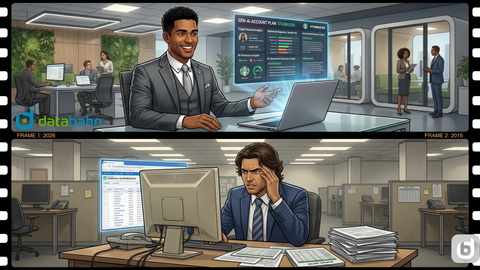
Two reps chase the same Fortune 1000 account. One Googles the company name. The other walks in with leadership changes, budget owners, and competitive tech already mapped out by AI. This post breaks down what that gap actually looks like, and why "AI hallucinates" isn't the real risk anymore.
Eli Lilly is raising $8B in bonds to keep fueling a $30B-plus acquisition run, on top of a $9B manufacturing bet on Zepbound and Mounjaro. Most reps will scroll past that headline. This post digs into what the debt actually signals, and how to turn it into an account plan you can run this quarter.
Most sales teams think "using AI" means faster email drafts. This post argues that's the losing move. It walks through how a smaller group of competitors is overfeeding AI with real account intelligence, filings, initiatives, exec profiles, then using it to map pains to people to plays before writing a single message.
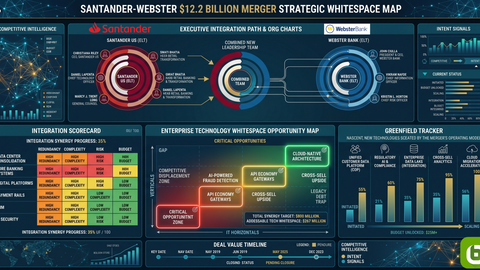
Estée Lauder and Puig are quietly negotiating a merger that could reshape global beauty. Here's what the deal reveals about fragrance strategy, family governance, and the six integration hot spots technology sellers should be watching right now.
The 2026 Forbes Global 2000 is more than just a yearly ranking. It is a clear picture of the way power is shifting in banking, Big Tech, AI, energy, and top new companies from many markets. JPMorgan Chase kept its No. 1 spot for the fourth year in a row. Amazon moved up to No. 2, and Alphabet went up to No. 4. Companies building what AI needs are also getting more important in the ranking. See what else changed and download the 2026 Global 2000 List today.
Some companies merged (Interpublic/Omnicom, Kimberly-Clark/Kenvue). Some companies acquired (Footlocker, Hess). Some companies have been taken private (Endeavor, Nordstrom). Some companies have new CEOs (Walmart, Berkshire Hathaway). Some companies have rebranded (FM). There's also a long list of private companies on the Fortune 500. See the list...
NextEra (Fortune #173) just dropped a $67B shockwave on the utility world by snapping up Dominion Energy (Fortune #264). Two massive, messy tech stacks. One insane AI + data center land grab. The real story? Hidden sales plays no one’s talking about yet. Want the playbook the account teams will use?
See what a real AI-powered account plan looks like when you’re serious about winning a greenfield Fortune 500 logo like Walmart.
A legacy application. A new CIO. A new CHRO. And a seven-figure deal your competitor never even saw coming. That’s what real AI‑powered sales intelligence looks like in the wild. It's not a cute email rewrite, not a slightly better sequence, but a tangible, forecastable opportunity that would have stayed invisible without the right signals being connected.
Most teams don’t need more AI tools—they need to go deeper on the ones they already pay for. I break down my 8‑tool stack, what actually earns its keep, and the one I’d keep.